From Bayit’s Liturgical Arts Working Group comes this series of offerings arising out of the Shabbat amidah. Each is available as a downloadable PDF and as google slides suitable for screenshare. When the final offering is complete, this collection will be published jointly by Bayit and Ben Yehuda Press. For more on this project and the creative process behind it, see Remixing the Amidah.
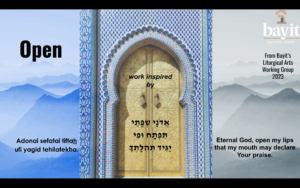 Adonai S’fatai: Open
With this offering we’re beginning a new project: liturgy, poetry, and art crafted in conversation with / arising out of / inspired by the blessings of the Amidah.
Here is new work arising out of Adonai s’fatai tiftach, the one-line meditation that opens the Amidah. Pray these in community or on your own. Add pages from the PDF to photocopied handouts, or add slides from the slide deck to services. Make one of the slides the desktop background on your computer, or use some of the art as wallpaper for your phone. (Or use them in some other way — and tell us what works for you.) Use these in whatever way will best enable these words and images to speak to and for your heart.
This first Amidah collaboration features work from Trisha Arlin, R. Rachel Barenblat, Joanne Fink, R. Sonja Keren Pilz, Steve Silbert, and R. David Zaslow. Available, as always, as downloadable PDF and also as slides suitable for screenshare. Find it here: Amidah Offering – Adonai S’fatai.
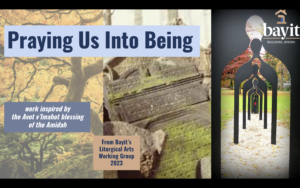 Avot v’Imahot: Ancestors
The first blessing of the Amidah names God as “God of” Abraham, Isaac, and Jacob, and in liberal Jewish spaces, also God of Sarah, Rebecca, Rachel, and Leah. What does it mean to us to connect with holiness through our ancestors? How do we understand our lineage and our relationship to it? What traces do our generations leave for us? How does this prayer speak for us (or does it speak for us) — and can we affirm its vision of a relational God? These are some of the questions that animated our collaborative work on this offering of liturgy, poetry, and art.
This Amidah collaboration features work from Trisha Arlin, Mike Cockrill, R. Rachel Barenblat, Joanne Fink, R. Sonja Keren Pilz, Steve Silbert, and R. David Zaslow. Available, as always, as downloadable PDF and also as slides suitable for screenshare. Find it here: Amidah Offering – Ancestors.
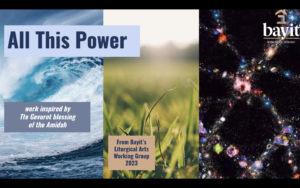 Gevurot: All This Power
The second blessing of the Amidah speaks to a God of gevurah: strength, heroism, boundaries, power. This blessing names God as the One Who enlivens the dead (or the deadened, or all things). Here we bless God either as the One Who brings rain and wind, or the One Who calls forth the dew. What do these ideas mean for us? What does gevurah imply for us? How does this prayer speak for us (or does it speak for us)? Where does this blessing take us? These are among the questions that animated our collaborative work on this offering of liturgy, poetry, and art.
This Amidah collaboration features work from Trisha Arlin, Mike Cockrill, R. Rachel Barenblat, Joanne Fink, R. Sonja Keren Pilz, Emily Rogal, Steve Silbert, and R. David Zaslow. Available, as always, as downloadable PDF and also as slides suitable for screenshare. Find it here: Amidah Offering: All This Power / Gevurot.
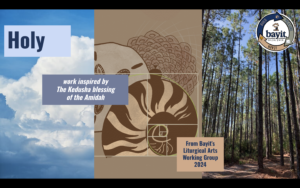 Kedusha: Holy
The third blessing of the Amidah speaks of kedusha, holiness. What does it mean to be holy, or to say that God is holy? What might angels, or our bodies, have to do with it? How about the planet, the cosmos, the elegance of mathematics? Does holiness have a “where”? This offering emerges out of these questions and more. This offering also arises during continuing war between Israel and Hamas. The prayer, worry, and grief in which our hearts continue to steep shapes our sense of holiness too, and our yearning for holiness, whatever it might be.
This offering features work by Trisha Arlin, R. Rachel Barenblat, Mike Cockrill, Sherrill Cropper, Joanne Fink, R. Sonja Keren Pilz, Steve Silbert, and R. David Zaslow. Find it here: Amidah Offering – Kedusha / Holy.
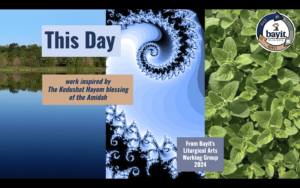 This Day – Kedushat HaYom
The fourth blessing in the Shabbat Amidah speaks about the “holiness of this day.” Is Shabbat’s holiness unique, is it innate, what role do we play in it, how does it change us? How do we understand the day: as a “sign,” as emptiness and fullness, as an invitation into God’s own pleasure? This collaborative offering of liturgy, poetry, and art explores some of what this blessing means to us. We hope it will open up these words of prayer in new ways also for you.
This offering features work by Trisha Arlin, R. Rachel Barenblat, Joanne Fink, R. Sonja Keren Pilz, Steve Silbert, and R. David Zaslow. Find it here: This Day – Kedushat HaYom.
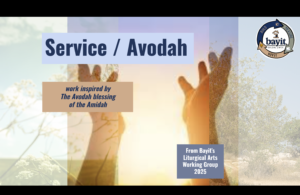 Avodah / Service
The Hebrew word avodah implies service, work, and prayer. Is service the same as serving or servitude? What do we serve? Who or Whom do we serve? How do we serve? Ancient temple sacrifice was known as avodah; so now is the holy work we call avodah she-ba-lev, the “service of the heart.” Is service the same as prayer? Is all work a form of service? How do we (want to) serve today? These questions, and others, animate our collective offering on the theme of avodah. We hope that our offering serves to open up your deep questions, too.
This offering features work by Trisha Arlin, R. Rachel Barenblat, R. Sonja Keren Pilz, and R. David Zaslow. Find it here: Avodah / Service
 Hoda’ah / Gratitude
“We are grateful before You.” Is gratitude innate? Is it part of who we are? What if we don’t feel grateful? What if we can’t feel grateful? What forms does our gratitude take? What are the challenges of gratitude? How might we grow in gratitude? What about when gratitude is bittersweet? Here are some of our answers to these questions. We hope they speak to you.
This offering features work by Trisha Arlin, R. Rachel Barenblat, Joanne Fink, R. Sonja Keren Pilz, Steve Silbert, and R. David Zaslow. Find it here: Hoda’ah / Gratitude.
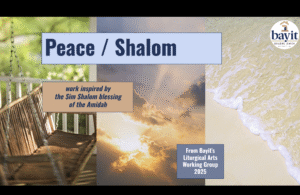
Shalom / Grant Peace
The closing blessing of the Amidah asks for shalom: peace, wholeness, completion. What does this prayer mean to us today? What does it ask of God – and of us? What does it mean to ask for peace in a time of tumult and injustice? How can we ask for something we may not even wholly understand? This offering arises out of those questions and more. We hope it speaks to you, and we hope it helps you to pray some of what’s on your heart.
Includes work by Trisha Arlin, R. Rachel Barenblat, Mike Cockrill, R. Sonja Keren Pilz PhD, Steve Silbert, and R. David Zaslow. Find it here: Grant Peace.
COMING SOON.
New work arising out of / riffing off of Yihiyu L’ratzon and Elohai N’tzor.
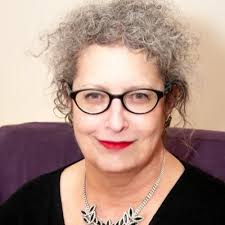
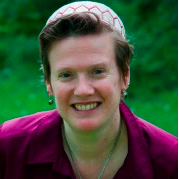
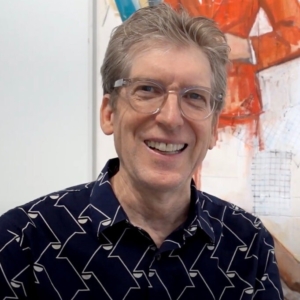

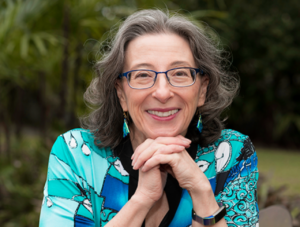
This collection features work by Trisha Arlin, R. Rachel Barenblat, Mike Cockrill, Sherrill Cropper, Joanne Fink, R. Sonja Keren Pilz, Emily Rogal, Steve Silbert, and R. David Zaslow. Find our bios on the Builder Biographies page.